
Bone is living tissue. That means it constantly rebuilds itself in response to the demands placed on it.
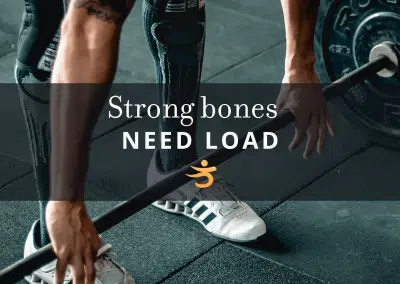
One of the most powerful signals that tells your body to build stronger bones is mechanical stress.
Without it, bones slowly lose density. With it, bones can rebuild and strengthen.
But not all stress works the same way. Bones specifically respond to mechanical stress — the physical forces created when muscles pull on bone or when impact travels through the skeleton.
Understanding this concept is one of the keys to lifelong bone health.
What Is Mechanical Stress?
Mechanical stress is the physical force placed on bones during movement and resistance.
When you move your body, muscles contract and pull on tendons. Those tendons attach directly to bone.
That pull creates a signal inside the bone cells that says:
We need stronger bones. A load is coming. Prepare for it.
This process is called bone remodeling.
Mechanical stress tells the body to:
- Increase bone density
- Strengthen bone architecture
- Improve bone resilience
Without this signal, bones gradually become weaker.
How Exercise Signals the Body to Build Bone
1. Muscle Pull on Bone
When muscles contract during resistance exercise, they tug on bone through tendons.
This force stimulates bone-forming cells called osteoblasts.
Strength training exercises like squats, lunges, and resistance training all stimulate this bone-building signal.
Learn more here:
What Is Osteogenic Loading and Why It Matters for Bone Health
2. Impact on the Skeleton
Bones also respond to impact forces.
Activities such as walking, jogging, hopping, or jumping place compression forces through the skeleton.
These forces stimulate bone cells to build stronger structure.
Learn more about bone-building movement here:
Best Exercises for Osteoporosis and Osteopenia
Why Carrying Weight Is One of the Best Bone Stimulators
One of the easiest ways to apply mechanical stress safely is by carrying additional weight during everyday movement.
That’s why many bone experts recommend weighted vests.
A weighted vest increases the load on your skeleton while you:
- Walk
- Climb stairs
- Exercise
- Perform daily activities
This added load sends a powerful signal to bones to strengthen.
Explore bone-building weighted vests:
Shop Weighted Vests for Bone Health
Research on Bone-Building Exercise with Dr. Belinda Beck
Exercise researcher Dr. Belinda Beck has conducted groundbreaking work on high-intensity resistance and impact training for bone health.
Her research shows that properly designed exercise programs can increase bone density even in individuals with osteoporosis.
Her research supports the idea that bones need intelligent mechanical stress to stimulate rebuilding.
What Is Intelligent Mechanical Stress?
Not all stress benefits bones. The key is applying the right type of stress in safe and progressive ways.
Exercises that support bone health typically:
- Engage large muscle groups
- Apply load to the skeleton
- Include resistance or impact
- Progress gradually
Examples include:
- Strength training
- Weighted walking
- Resistance bands
- Osteogenic loading exercises
- Impact exercises when appropriate
Adding a weighted vest to your walking routine can be one of the simplest ways to increase bone-building stimulus.
See weighted vest options here
Nutrition Also Supports Bone Strength
Exercise stimulates bone growth, but your body also needs the right nutrients to rebuild bone tissue.
Dr. Susan Brown recommends a pH-balanced, alkaline-rich diet including:
- Fruits
- Vegetables
- Nuts
- Seeds
- Clean protein sources
These foods supply the minerals bones require to rebuild after mechanical stress.
Dr. Brown also recommends testing first morning urine pH to monitor whether your body is getting adequate alkalizing minerals.
Support bone mineral balance with:
Alkalizing Mineral Supplements
Your Bones Are Waiting for the Signal
Bones are constantly asking one question:
Do we need to be strong?
Mechanical stress answers that question.
When you lift, walk with weight, or challenge your muscles, you send the signal that bones must adapt and rebuild.
Learn the Complete System for Building Strong Bones
Exercise is just one of the six essential steps to lifelong bone strength.
In the Better Bones Solution Masterclass, Dr. Susan E. Brown shares the full system she developed over her 40-year career helping women rebuild bone naturally.
Inside the masterclass you’ll learn:
- The six steps to lifelong bone strength
- The best exercises for rebuilding bone
- The nutrition strategy that supports bone regeneration
- How to track your bone progress
Join the Better Bones Solution Masterclass:
Enroll in the Better Bones Solution Masterclass