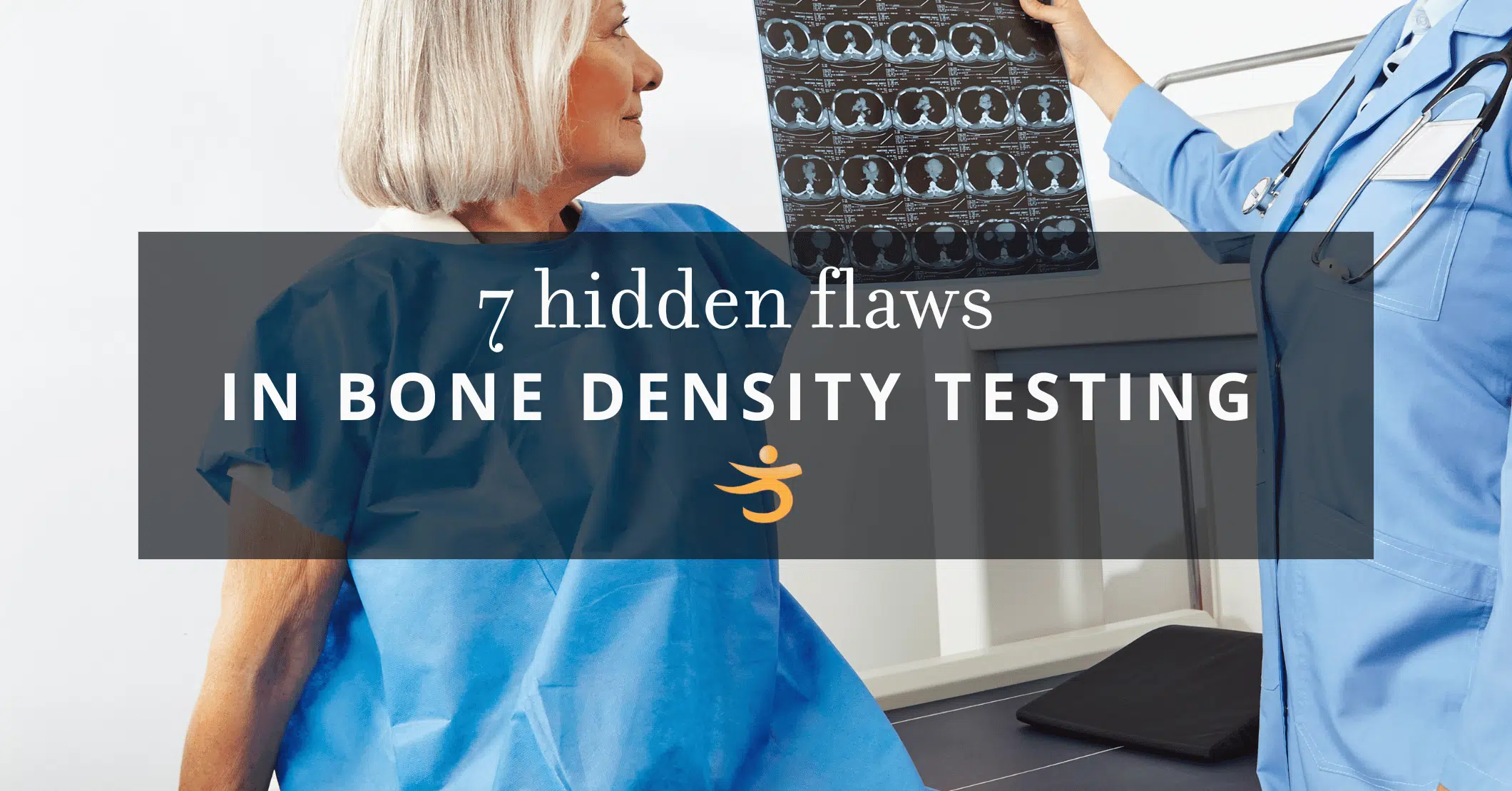
7 Problems with Bone Mineral Density (DEXA) Testing
“Take your bone density test with a grain of salt.” That’s how Dr. Susan Brown often opens conversations with clients—because while DEXA (DXA) is a common tool, it comes with real limitations and pitfalls that can confuse patients and even lead to mistreatment.
Quick Take
- Bone density ≠ bone strength.
- Most fractures occur in people without “osteoporotic” BMD.
- Technical and interpretation errors are common.
- Body size and machine differences skew results.
1) Error rates are high—and many are serious
Dr. Brown notes that a large share of bone density reports contain errors, and a substantial portion of those can be clinically significant—leading to misdiagnosis or overtreatment. Even small reported changes (±1–2%) often fall within normal variability and are not worth panicking over.
2) Many sources of technical error
Operator technique and analytic choices matter—a lot. Misplacement on the table, incorrect region-of-interest selection, or line-drawing can all alter the result. Dr. Brown has long cautioned that DEXA’s accuracy and reproducibility are imperfect (how accurate is DEXA?), so single data points shouldn’t drive major treatment decisions.
3) Bias against smaller or thinner bodies
DEXA can underestimate density in small, thin, or short individuals, contributing to unnecessary worry or labeling. See Dr. Brown’s discussion of size-related bias in bone density testing and why “thin but strong” is possible when bone quality is high (Bone Quality Thinner Women).
4) Bone density does not measure bone strength
BMD is a measure of mineral content—not toughness, flexibility, or microarchitecture. That’s why Dr. Brown emphasizes complementary ways to assess bone quality (e.g., Trabecular Bone Score) and bone turnover (NTx test).
5) DEXA alone can’t predict who will fracture
Most so-called “osteoporotic” fractures occur in people with osteopenic or even normal bone density. DEXA is one risk factor among many (BMD does not predict fracture; density tests aren’t enough). A broader assessment of risk (history, falls, meds, inflammation, nutrition, strength, balance, etc.) is essential (3 ways to predict fracture risk).
6) Machine brand & site differences distort comparisons
Hologic vs. GE Lunar outputs aren’t directly interchangeable. For trend tracking, try to test on the same brand, in the same facility, with the same operator whenever possible (why same machine matters; what happens when machines change).
7) Calibration and interpretation issues are common
Inadequate machine calibration and hurried or outdated interpretations can skew results. Dr. Brown encourages learning the basics—like the difference between the T-score and Z-score—so you can have an informed conversation with your provider.
So…what should you do instead?
- If you test, test smart: use the same brand/site/operator when possible, and don’t overreact to tiny changes.
- Widen the lens: consider bone quality (e.g., TBS) and turnover (e.g., urine NTx), balance/falls risk, muscle strength, medication and health history, and nutrition.
- Think beyond density: explore emerging tools like REMS ultrasound that may better reflect bone strength without radiation.
Related Better Bones resources
- How accurate is a DEXA bone density test?
- Small changes in bone density results—should you worry?
- Bone density tests aren’t enough—why a fracture risk assessment is essential
- BMD does not predict fracture
- The infamous T-score & neglected Z-score
- DEXA scan: help for understanding your results
- Bone quality in thinner women
FAQ
Does low bone density mean I’ll fracture?
Not necessarily. Many fractures occur in people with osteopenic or normal BMD. Risk is multifactorial—look at the whole picture.
Should I start medication based on one DEXA?
One snapshot is rarely enough. Discuss trends, other risks, and secondary testing with a knowledgeable provider.
How often should I repeat DEXA?
It depends on your personal risk and whether results will change management. When you do repeat, aim for the same brand/site/operator.
About the Author
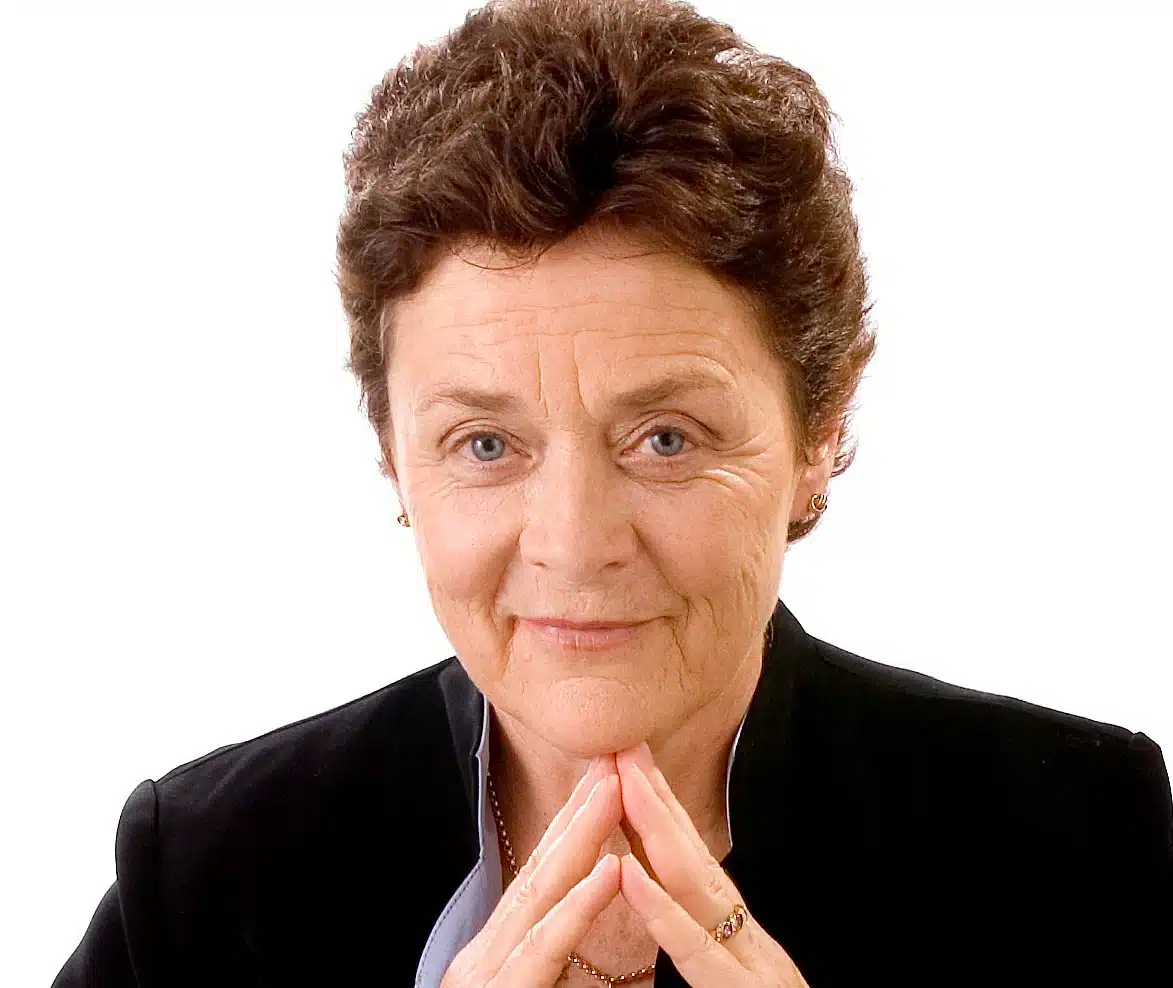
New York State Certified Nutritionist & Medical Anthropologist | Founder, Center for Better Bones
Dr. Brown has dedicated more than 40 years to bone health research, clinical nutrition, and health education. She is the founder of the Center for Better Bones and the Better Bones Foundation, and author of Better Bones, Better Body — the first comprehensive guide to natural bone health. Her whole-body, alkaline-centered approach has helped thousands of women build stronger bones naturally.