

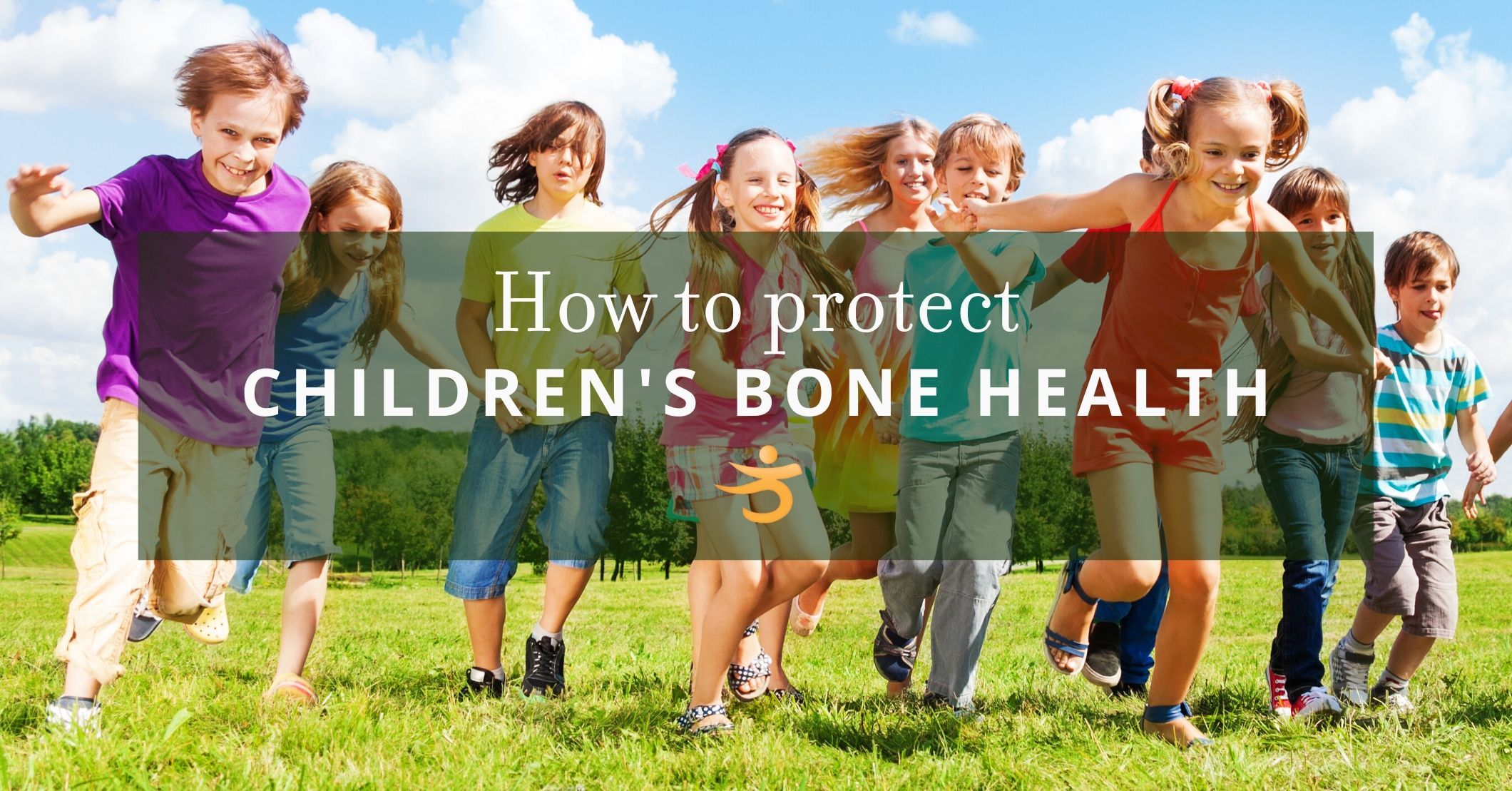
Recent studies point to a worrisome trend: children and young adults, especially girls, have become a great deal more sedentary in recent years, and it’s affecting their health. And while most of these studies talk about the short-term impacts this has — rising obesity and increased depression and anxiety being among them — I wonder about the impact of this lifestyle on children’s bone health and risk for osteoporosis as they grow older.
Sedentary lifestyles among kids and teens becoming the norm, especially for girls
Researchers from the U.S. National Institute on Aging in collaboration with Johns Hopkins’ Bloomberg School of Public Health and North Carolina State University, looked at activity levels in 12,589 participants grouped by age: children (6–11 years); adolescents (12–19 years); young adults (20–29 years); adults at midlife (ages 31–59); and older adults (60–84 years). Slightly more than half (51%) of the participants were female.
The findings that were most startling—and concerning—were that among children, more than 25% of boys and 50% of girls age 6–11 had not met the World Health Organization (WHO) recommendation that children age 5–17 get at least 60 minutes of moderate-to-vigorous physical activity every day. This is a much higher level of sedentary behavior than was previously thought to exist in children. And it’s even worse among adolescents: more than 50% of male and 75% of female adolescents age 12–19 did not meet WHO activity level recommendations.
What will happen to children’s bone health when they become adults?
Well, we know that the peak time for building bone happens in adolescence and young adulthood. And we also know that bone (and muscle) are a “use it or lose it” system — no exercise means muscle doesn’t move, and non-moving muscle means bone isn’t stimulated to turn over and strengthen. So if children, and especially adolescents, are sedentary, it means they are not maximizing their bone building during the crucial peak bone-building period of their lives. And that means that later in life, when losing bone is common, they won’t have as much to spare, putting them at risk of osteoporosis.
It’s especially problematic for the girls and young women in the study, because as we know, when women reach midlife, it is often the case that they lose bone during menopause. This menopausal bone loss isn’t necessarily a major problem — unless the woman did not build adequate bone reserves during adolescence and young adulthood. And this study suggests that the majority of girls in the study were particularly prone to being sedentary — which can have devastating long-term consequences.
It is estimated that a 10% increase in children’s peak bone mass would delay the development of osteoporosis by 13 years.
So what can we do to protect children’s bone health?
I have some thoughts:
- Let’s all be aware that our daughters and granddaughters need to be more active. Start the habit of exercise early. We have this picture of little girls in our society as delicate flowers — but girls can be just as rough-and-tumble as boys if allowed to be! But whether it’s ballet classes or the soccer field, getting them involved in physical activities can only benefit them, short term AND long term.
- And let’s also remember that when it comes to activity, it doesn’t necessarily have to be vigorous. Whether it’s a child or an adult, even low to moderate levels of physical activity can be beneficial (and they’re certainly more beneficial than sitting!)
- If the children and adolescents in your life have sedentary habits, model a different lifestyle for them. I guarantee that no adolescent wants their mother or grandmother outdoing them on the hiking trail — so if you set the pace, they’ll keep up!
You can also help them by ensuring they get adequate nutrients for bone building in the teen years — via a healthful diet if you can manage it, but picky eaters may need nutritional supplements.
[av_toggle_container initial=’0′ mode=’accordion’ sort=” styling=” colors=” font_color=” background_color=” border_color=” av_uid=’av-rvof2awt’ custom_class=”]
[av_toggle title=’Reference’ tags=” av_uid=’av-eo5r8zb1′]
Verma VR, Dey D, Leroux A, et al. Re-evaluating the effect of age on physical activity over the lifespan. Prev Med 2017;101:102–108.
[/av_toggle]
[/av_toggle_container]
For a complete breakdown of every nutrient your bones need, see our guide to bone health nutrition and the 20+ nutrients your bones need.
Learn how your diet affects bone pH in our comprehensive guide to dietary pH balance and bone density.