Why Magnesium Deserves More Attention
When we talk about strong bones, most people immediately think of calcium and vitamin D. But there’s another powerhouse nutrient working behind the scenes: magnesium.
Not only is magnesium essential for bone strength and preventing osteoporosis, but research now shows it also plays a key role in protecting brain health and reducing the risk of dementia.
In other words—what’s good for the bones is good for the brain.
Magnesium for Bone Health and Osteoporosis
Magnesium is sometimes called the “forgotten mineral” in bone health. Yet studies show it’s just as critical as calcium. Here’s why:
-
Reduces fracture risk – Adequate magnesium helps bones stay dense and resilient.
-
Supports calcium absorption – Without magnesium, calcium can’t do its job properly.
-
Prevents osteoporosis progression – Research links low magnesium levels to higher osteoporosis rates, particularly in older adults.
If you’re focused on preventing or managing osteoporosis, ensuring you have enough magnesium in your diet and supplement routine is just as important as calcium and vitamin D.
How Magnesium Boosts Brain Function
Beyond its bone benefits, magnesium also keeps the brain sharp and resilient. Here are just a few of its brain-boosting roles:
-
Neurotransmitter regulation – Helps neurons “talk” to one another.
-
Antioxidant protection – Defends against oxidative stress, a major driver of both bone loss and cognitive decline.
-
Anti-inflammatory effects – Calms “inflammaging,” the chronic inflammation tied to premature aging.
-
Energy production – Powers ATP, the brain’s main energy currency, helping prevent brain fog.
-
Memory and learning support – Stimulates brain-derived neurotrophic factor (BDNF), crucial for memory plasticity.
-
Blood-brain barrier defense – Keeps toxins and pathogens from sneaking into the brain.
The Research Is Clear
Clinical studies suggest magnesium supplementation can:
-
Improve cognitive function
-
Reduce risk of Alzheimer’s and cognitive decline
-
Alleviate migraines with neurological roots
One Program, Two Benefits
Instead of treating bone health and brain health separately, magnesium reminds us that a single nutrient can serve both.
By including magnesium in your daily health program, you’re:
-
Strengthening bones
-
Lowering osteoporosis risk
-
Protecting memory and cognitive clarity
That’s why the Better Bones Program emphasizes comprehensive nutrition—because the same steps that protect your skeleton also support lifelong brain vitality.
Where to Get Magnesium
-
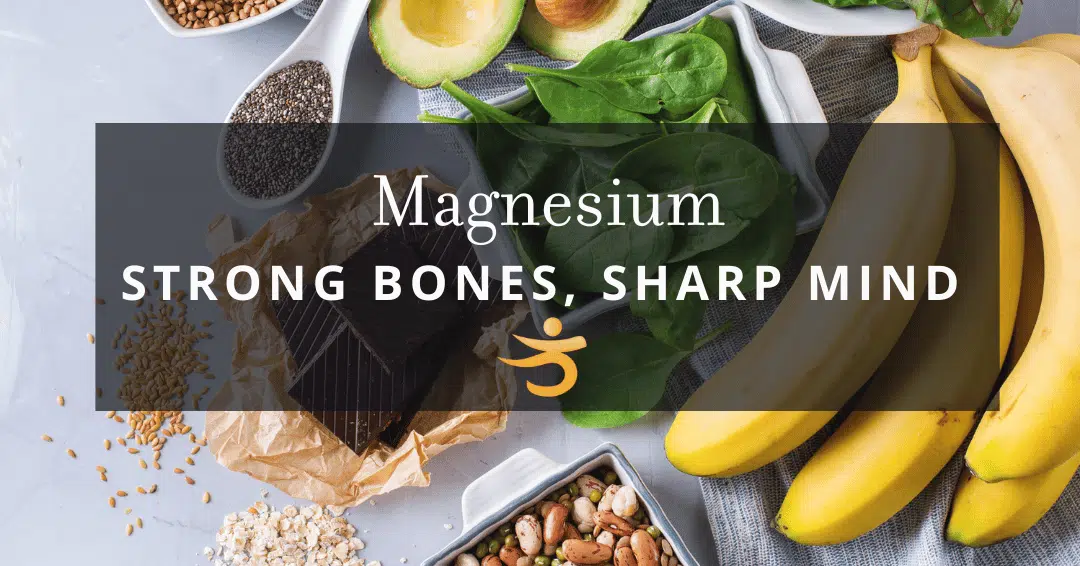
Food sources: leafy greens, nuts, seeds, beans, whole grains, and dark chocolate.
-
Supplements: For many people, diet alone isn’t enough. High-quality magnesium supplements can help ensure optimal levels.
At Better Bones, we recommend magnesium in highly absorbable forms like ionized magnesium, which work gently and effectively.