The Muscle–Bone Revolution
For years, the conversation around osteoporosis centered on a number: bone mineral density. But these researchers helped move the field toward a more useful truth: bones are living tissues that respond to the forces placed upon them. When muscles pull against bone and the skeleton is challenged through upright movement, resistance, and impact, bone receives the signal to adapt.
That is why exercise is such a powerful part of the Better Bones approach. If you want a deeper overview of bone-safe, bone-building exercise, explore our related article on top exercises for osteoporosis.
Why Mechanical Loading Matters for Bone Health
Bone is constantly remodeling. Osteoblasts build; osteoclasts remove. One of the most important signals that encourages stronger bone formation is mechanical loading—the healthy stress that comes from muscle contraction, gravity, and impact.
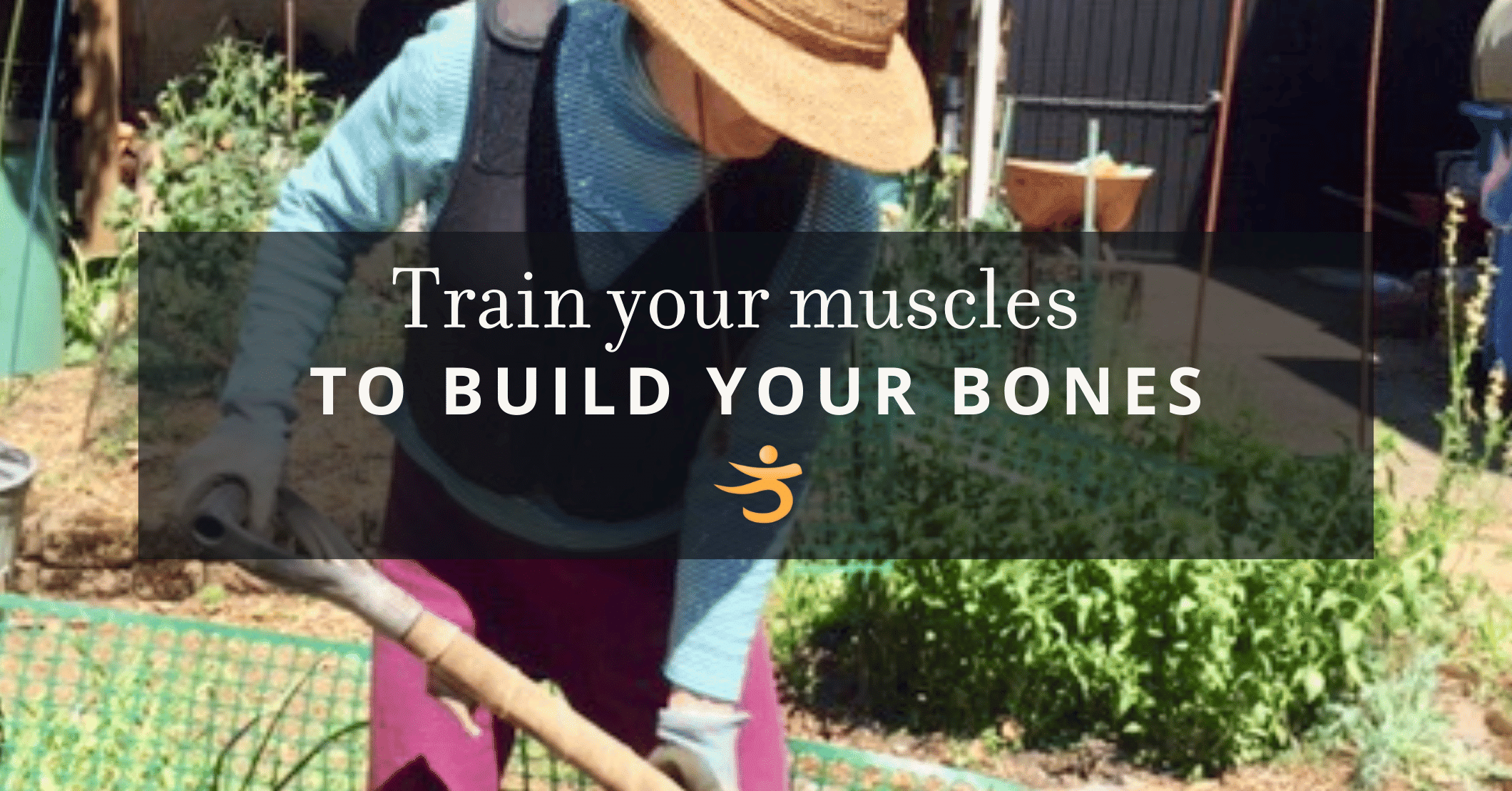
Weighted vests can be a practical way to increase that loading during movement. By adding gentle, progressive resistance to walking, stair climbing, balance drills, and strength training, they help the body do more of what bone loves: respond, adapt, and strengthen.
For more on why this tool has become such a favorite at Better Bones, see Why a Weighted Vest Is a Game-Changer for Bone Health.
Dr. Mehrsheed Sinaki — The Posture Protector
Dr. Mehrsheed Sinaki of the Mayo Clinic was among the first to show that stronger muscles can protect fragile bones. In her landmark research, postmenopausal women completed a two-year back extensor strengthening program using a weighted backpack. Ten years later, the women who had done the strengthening program had substantially fewer vertebral fractures than controls.
The message was profound: even without dramatic changes in bone mineral density, stronger spinal extensor muscles helped preserve posture and protect the vertebrae from collapse. Her work helped reframe osteoporosis as a whole musculoskeletal issue—not just a bone-density issue.
That insight pairs beautifully with the Better Bones exercise principles around posture, balance, and safe resistance training. You can read more here: Better Bones, Better Body® Exercise Principles.
Dr. Christine M. Snow — The Everyday Athlete
At Oregon State University, Dr. Christine M. Snow studied how real-world, sustainable exercise could support hip bone health in postmenopausal women. Her long-term research used weight-bearing exercise, gentle jumping, and progressively loaded weighted vests.
The women in the exercise group improved femoral neck bone density while the controls lost bone. They also improved balance, gait, and leg strength—three outcomes that matter enormously in fall prevention.
Snow’s work reminds us that you do not need to train like an Olympian to help your bones. Consistent, appropriately loaded movement done over time can make a measurable difference.
Dr. Wolfgang Kemmler — The German High-Intensity Pioneer
Dr. Wolfgang Kemmler and his team in Germany built on this foundation through the Erlangen Fitness Osteoporosis Prevention Study (EFOPS). Their structured exercise programs combined progressive resistance training, endurance work, impact exercise, and weighted loading.
The results were striking. In early postmenopausal women—a group known for accelerated bone loss—Kemmler’s intervention helped halt and even reverse lumbar spine bone loss. Later follow-up also showed important benefits in strength, fall reduction, and fracture outcomes.
If you are curious about how even a moderate weekly commitment can support bones, this related Better Bones article is worth a read: Strength Training for Osteoporosis: 2 Hours a Week Improves Bone Density.
The Unified Message: Muscle Builds Bone
Each of these researchers approached osteoporosis from a slightly different angle:
- Sinaki emphasized posture and spinal strength.
- Snow demonstrated the power of long-term weighted movement for hip protection.
- Kemmler showed that progressive resistance training can slow or even reverse bone loss in vulnerable women.
Together, they delivered one beautifully practical message: bone responds to force. When muscles get stronger and the skeleton is loaded intelligently, bones receive the signal to stay dense, resilient, and functional.
That is also why the Better Bones program continues to emphasize movement as medicine. For the broader framework, visit A Natural Approach to Bone Health.
How Weighted Vests Help Build Stronger Bones
Weighted vests offer a simple way to add safe, progressive loading to daily life. Depending on the person and the exercise, they can help support:
- better posture
- increased loading through the hips and spine
- improved muscle activation
- greater balance confidence
- more bone-building stimulus during walking and strength work
Common ways to use a weighted vest include:
- walking
- stair climbing
- squats and strength training
- balance exercises
- short posture-focused sessions
For women with osteoporosis, comfort and weight distribution matter. Better Bones offers exercise tools designed specifically for this purpose. Explore the Better Bones Strengthening Kit or the Better Bones Exercise Vest.
Watch: Weighted Vest Exercises for Stronger Bones
The following playlist shows weighted vest exercises in action and helps readers see how simple movements can safely add bone-building resistance to everyday life.
Watch: Weighted Vest Exercises for Stronger Bones
The following playlist shows weighted vest exercises in action and helps readers see how simple movements can safely add bone-building resistance to everyday life.
Nutrition Matters Too: Support Bone with an Alkaline, Mineral-Rich Diet
Exercise is only one piece of the bone-building equation. At Better Bones, we also emphasize the value of a pH-balanced, mineral-rich diet built around fruits, vegetables, nuts, seeds, and adequate clean protein.
Dr. Brown often recommends checking first-morning urine pH as an indirect way to monitor whether the body has enough alkalizing mineral support. If you want to learn how that works, start with How to Test Your pH Levels and view Dr. Brown’s pH Balance Tests.
To support mineral intake, you can also explore Alkalizing Minerals+, one of the foundational mineral products in the Alkaline for Life line.
The Center for Better Bones Perspective
At the Center for Better Bones, we embrace a fuller view of skeletal health. Bone is not built by calcium alone. It is shaped by movement, posture, strength, balance, minerals, and nourishment. Weighted vest training fits beautifully into that picture because it bridges everyday movement with purposeful mechanical loading.
And if there is one lesson these three innovators leave us with, it is this: the future of bone health is not fragility. It is intelligent, progressive strength.
Frequently Asked Questions
Do weighted vests increase bone density?
Research suggests weighted vests can help stimulate bone-supportive mechanical loading, especially when paired with consistent exercise such as walking, jumping, balance work, and resistance training.
Are weighted vests safe for osteoporosis?
They can be, when used appropriately. The right starting load, good posture, and proper exercise selection matter. Many people begin with light weight and progress gradually.
How heavy should a weighted vest be for bone health?
That depends on the person, their size, exercise level, balance, and bone status. In practice, most people do best starting light and building up over time rather than jumping straight into heavy loading.
What is the best exercise to do with a weighted vest?
Walking, stair climbing, posture work, and simple strength exercises are all strong options. The best choice is the one you can do safely and consistently.
Ready to Go Deeper?
If you want the complete natural bone-building system Dr. Brown has taught over her 40-year career, explore the Better Bones Solution Masterclass. It brings together the full framework of exercise, mineral support, nutrition, posture, and lifestyle strategies for building stronger bones naturally.