Let’s talk about falls and fractures. A recent study of over 3,000 veterans caught my eye—and it made me rethink how we approach fracture risk altogether.
For years, the medical field has focused almost exclusively on bone density and bone drugs. But this study suggests we might be in the wrong lane. We need to shift our attention toward what’s actually causing these fractures: falls.
Blood Pressure Medications and the Hidden Risk
In this study, veterans who started medications to lower blood pressure saw a doubling in hip fracture risk within just 30 days. Why? Because one common side effect of these medications is dizziness or lightheadedness when standing—a recipe for falls.
Even more eye-opening: within those first 30 days, there was a 50% increase in fracture rates. That’s not a slow or subtle effect. It’s immediate and dramatic.
The Fall–Fracture Connection Is Undeniable
We’ve all heard the warnings about hip fractures—and for good reason. They can be life-changing, especially in older adults. But here’s the truth:
90–95% of all hip fractures occur because of falls.
And it’s not just hips. According to the Centers for Disease Control and Prevention:
- 85–90% of wrist fractures are due to falls
- Up to 50% of vertebral fractures are fall-related
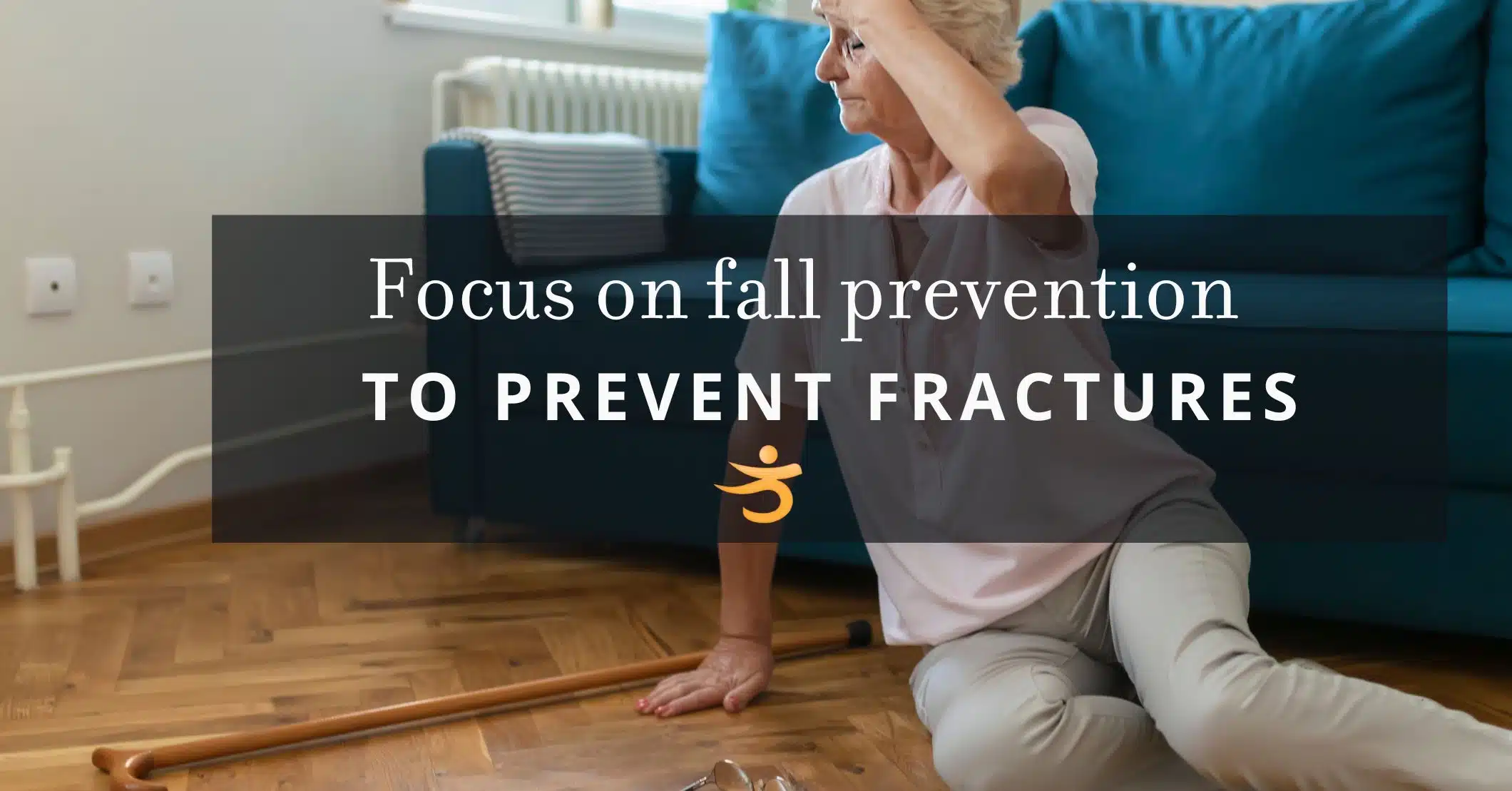
It’s time we shift the narrative from “fractures just happen” to “falls cause fractures—and they’re preventable.”
Fall Prevention Is Fracture Prevention
So what can we do? First, we need to look carefully at medications—not just blood pressure drugs, but all prescriptions—to understand their impact on balance, strength, and coordination.
Second, we must focus on building internal stability:
- Nourish your body with bone-building nutrients
- Maintain alkaline balance to reduce bone loss
- Engage in strength training and balance exercises
- Practice lifestyle habits that reduce inflammation and support overall vitality
Takeaways from This Study
This study underscores what I’ve been saying for years: fractures don’t happen in isolation. They are the downstream result of falls, which are often the result of medication side effects, nutrient deficiencies, and loss of balance and strength.
To truly reduce fracture risk, we must focus on fall prevention as a top priority.
Final Thoughts from Dr. Susan
If you’ve been told that your bones are at risk and that your only option is medication, I encourage you to dig deeper. Ask: what’s my fall risk? What can I do today to improve my stability, my strength, and my nutritional status?
Because when we prevent falls, we prevent fractures. And that’s a shift worth making.
Study Citation
Miller, J., et al. (2024). Association of Antihypertensive Drug Initiation With Hip Fracture Risk in US Veterans. JAMA Internal Medicine.
Read the full study here.